



Gym balls, also known as exercise balls or stability balls, have become an indispensable tool in Pilates and yoga studios worldwide. Their unique design allows for dynamic movement, enhanced balance, and targeted muscle engagement, making them ideal for practitioners of all levels. For studio owners and procurement managers, understanding how to select and integrate gym balls into Pilates and yoga programs can improve client experience, training outcomes, and studio efficiency.
Benefits of Using Gym Balls in Pilates and Yoga
Enhanced Core Activation
Gym balls create an unstable surface that forces practitioners to engage their core muscles to maintain balance. In Pilates and yoga, this improves core strength, stability, and posture.
Improved Flexibility and Range of Motion
Using a gym ball in stretches or Pilates exercises allows for deeper, safer stretching. It supports the spine, hips, and shoulders, enhancing flexibility without overstraining muscles.
Support for Beginners and Injury Recovery
For beginners or clients recovering from injuries, gym balls provide additional support, reducing strain on joints while maintaining the benefits of Pilates and yoga movements.
Dynamic and Functional Training
Gym balls introduce dynamic movement into otherwise static exercises. They can be used for balance drills, stability challenges, and functional training that mimics real-life movement patterns.
Engagement and Motivation
Incorporating gym balls adds variety and fun to Pilates and yoga classes, increasing client engagement and adherence to long-term practice.

Common Exercises with Gym Balls in Pilates
Bridge with Ball Support: Placing the feet or upper back on a gym ball while performing bridges increases core engagement and challenges stability.
Ball Roll-Outs: Hands or knees on the ball while extending the body improves shoulder stability and abdominal strength.
Seated Balance Work: Sitting on the ball during exercises encourages proper posture and spinal alignment.
Leg Lifts with Ball Support: Using the ball under the feet or back enhances hamstring, glute, and core activation.
Common Exercises with Gym Balls in Yoga
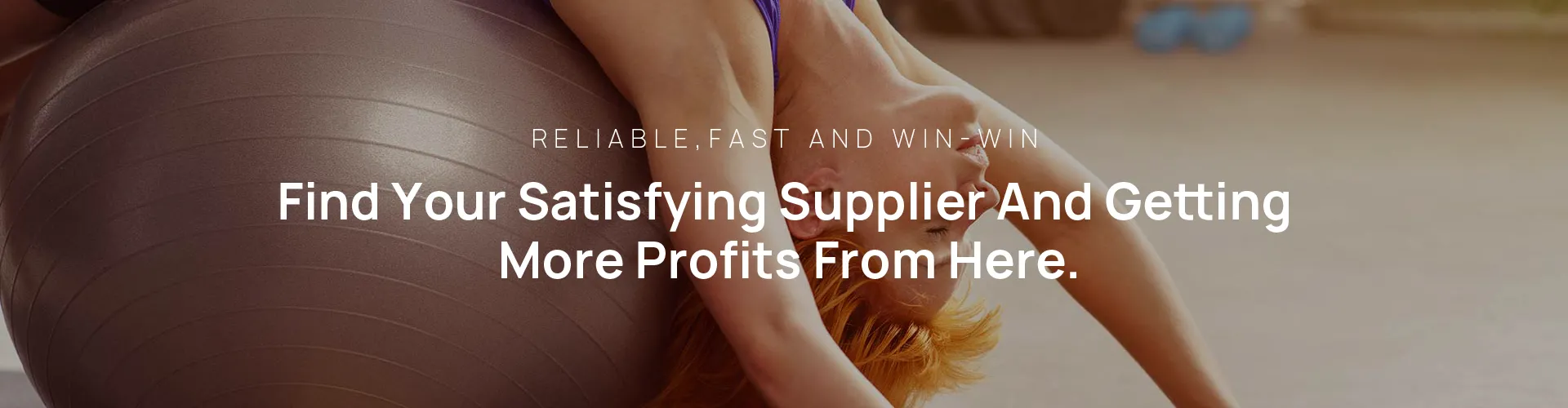
Supported Backbends: Lying back over a gym ball gently stretches the chest, spine, and shoulders.
Balance Poses: Incorporating the ball under hands or feet adds challenge to standard yoga poses, enhancing balance and concentration.
Gentle Stretching: The ball supports the body during forward bends, hip openers, and spinal twists.
Prenatal Yoga Support: Pregnant clients can use the ball for gentle stretches, sitting balance, and pelvic exercises safely.
Selecting the Right Gym Ball for Pilates and Yoga Studios
Size Matters:
55–65 cm diameter is standard for most adults. Taller clients may need 75 cm or larger.
Studio owners should stock multiple sizes for client comfort.
Material and Durability:
Anti-burst PVC or TPE balls are preferred for commercial use.
Durable material ensures long-term performance under frequent use.
Surface Texture:
Smooth balls are ideal for yoga flows and gentle Pilates.
Textured balls provide extra grip for dynamic Pilates exercises or balance work.
Weight Capacity:
Commercial-grade balls should support at least 300 lbs (136 kg) to accommodate all clients safely.
Safety Considerations
Anti-Burst Technology: Reduces risk of sudden deflation during class.
Non-Slip Surface: Prevents accidents on polished studio floors.
Proper Inflation: Maintain correct air pressure to ensure stability and effectiveness.
Supervision: Beginners should be guided to prevent overextension or imbalance.
Advantages for Studio Owners
Versatility: A single gym ball can be used across multiple class types: Pilates, yoga, prenatal, and rehabilitation sessions.
Cost-Effective: Low investment with high functional value; one size fits multiple training needs.
Client Retention: Offering innovative exercises with gym balls increases class enjoyment and loyalty.
Space Efficiency: Easy to store when not in use, allowing studios to maximize floor space.
Gym balls are an essential addition to Pilates and yoga studios, providing enhanced core activation, improved flexibility, injury support, and dynamic training opportunities. For studio owners and procurement managers, selecting high-quality, appropriately sized, and anti-burst gym balls ensures client safety, maximizes training effectiveness, and adds value to your fitness programs.
Incorporating gym balls into your Pilates and yoga offerings not only improves the overall exercise experience but also demonstrates a commitment to professional-grade equipment and client well-being.


