


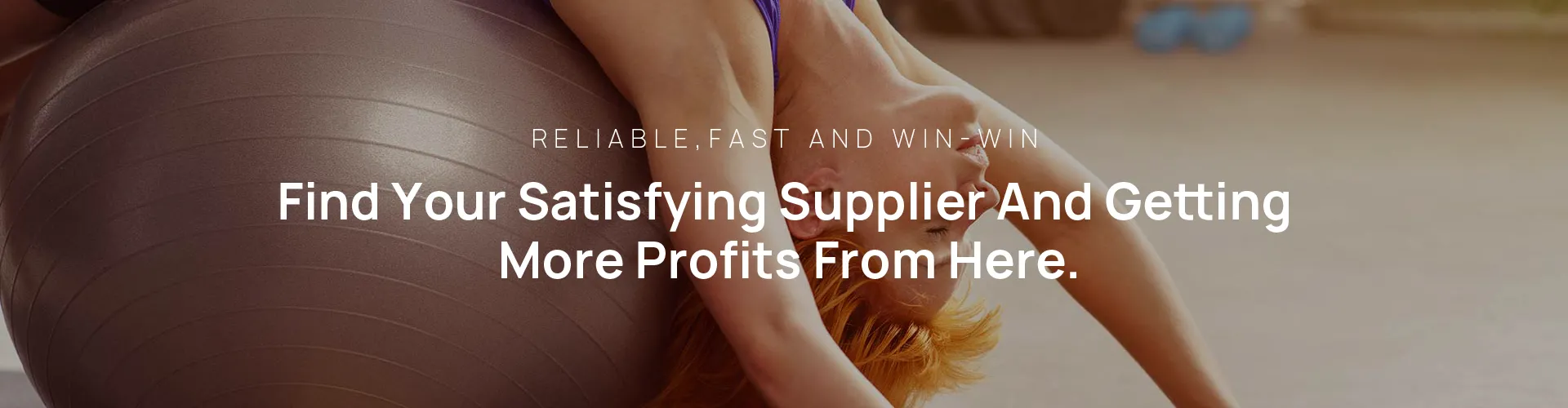

Selecting the right gym balls (also known as stability balls, exercise balls, or Swiss balls) is more than just picking a size and color. For Pilates and yoga studios, these tools play a key role in balance training, core strengthening, rehabilitation, and flexibility work. Choosing the right ones directly affects user experience, safety, and even your studio’s professional image.
Below is a complete, practical guide to help studio owners, wholesalers, and fitness professionals make the best decision.
Why Gym Balls Matter in Pilates & Yoga
Gym balls are widely used in both Pilates and yoga for their versatility:
Improve core stability and posture
Enhance balance and coordination
Support rehabilitation and low-impact training
Increase exercise variety for group classes
Engage deeper muscle groups
For studios, high-quality gym balls also signal professionalism and attention to detail—two factors that strongly influence client retention.

Key Factors to Consider When Choosing Gym Balls
1. Correct Size Selection (Most Important)
Choosing the right size ensures proper posture and safety during exercises.
Studio Tip:
Instead of buying one size, stock at least 2–3 sizes to accommodate different clients.
2. Anti-Burst Technology (Safety First)
For commercial environments like studios, anti-burst gym balls are essential.
High-quality balls deflate slowly instead of exploding when punctured
Load capacity should be at least 300–500 kg
Ideal for high-frequency use and group classes
Why it matters:
In a busy Pilates or yoga studio, safety is non-negotiable. Cheap balls increase liability risk.
3. Material Quality & Durability
Look for:
PVC (eco-friendly, non-toxic, latex-free)
Thick wall construction (typically 2mm or more)
Odorless and skin-safe materials
Premium materials ensure:
Longer lifespan
Resistance to deformation
Better user comfort
4. Surface Texture & Grip
A good gym ball should have a non-slip surface, especially for yoga and Pilates where slow, controlled movements are key.
Options include:
Matte finish for better grip
Anti-slip lines or textures
Sweat-resistant coating
Studio Insight:
Slippery balls reduce exercise effectiveness and increase injury risk.
5. Weight Capacity & Stability
For professional studios:
Choose balls with high static and dynamic load capacity
Ensure consistent shape under pressure
Avoid overly soft balls that collapse during use
Stable balls improve exercise precision, which is critical in Pilates.
6. Ease of Inflation & Maintenance
Time efficiency matters in commercial settings.
Look for:
Quick inflation valves
Included hand pumps or electric pump compatibility
Easy deflation for storage
Maintenance Tip:
Choose balls that are easy to clean and resistant to dirt and sweat buildup.
7. Color & Studio Aesthetics
While often overlooked, color plays a role in branding and user experience.
Neutral tones for premium studios
Bright colors for group classes or beginner-friendly environments
Color coding for different sizes
8. Bulk Purchasing & Supplier Reliability
If you're sourcing for a studio or resale:
Look for wholesale gym ball suppliers
Ensure consistent quality across batches
Check certifications (CE, REACH, SGS, etc.)
Evaluate lead times and MOQ
Reliable suppliers help maintain long-term operational stability.
Common Mistakes to Avoid
Many studios make these avoidable mistakes:
Choosing price over safety
Buying only one size
Ignoring anti-burst certification
Using home-grade balls in commercial environments
Overlooking surface grip
Avoiding these pitfalls can save costs and prevent user dissatisfaction.
Gym Balls vs Other Pilates Equipment
Compared to reformers or resistance bands, gym balls offer:
Lower investment cost
Greater flexibility in class design
Easy storage and portability
They are an ideal entry-level or supplementary tool for studios expanding their offerings.
How Many Gym Balls Does a Studio Need?
This depends on your class size:
Small studio (5–10 people): 10–15 balls
Medium studio (10–20 people): 20–30 balls
Large studio (20+ people): 30+ balls
Always keep extra inventory for replacements.
Final Thoughts
Choosing the right gym balls for your Pilates or yoga studio is a balance between safety, durability, and user experience. Investing in high-quality, anti-burst, properly sized balls not only enhances training effectiveness but also strengthens your studio’s professional reputation.
If you're sourcing for commercial use, prioritize certified materials, reliable suppliers, and bulk purchasing options to ensure long-term value.
Looking to upgrade your studio equipment?
High-quality gym balls designed for Pilates and yoga can significantly improve both class performance and customer satisfaction—making them a smart, scalable investment for any fitness business.


